Heritage
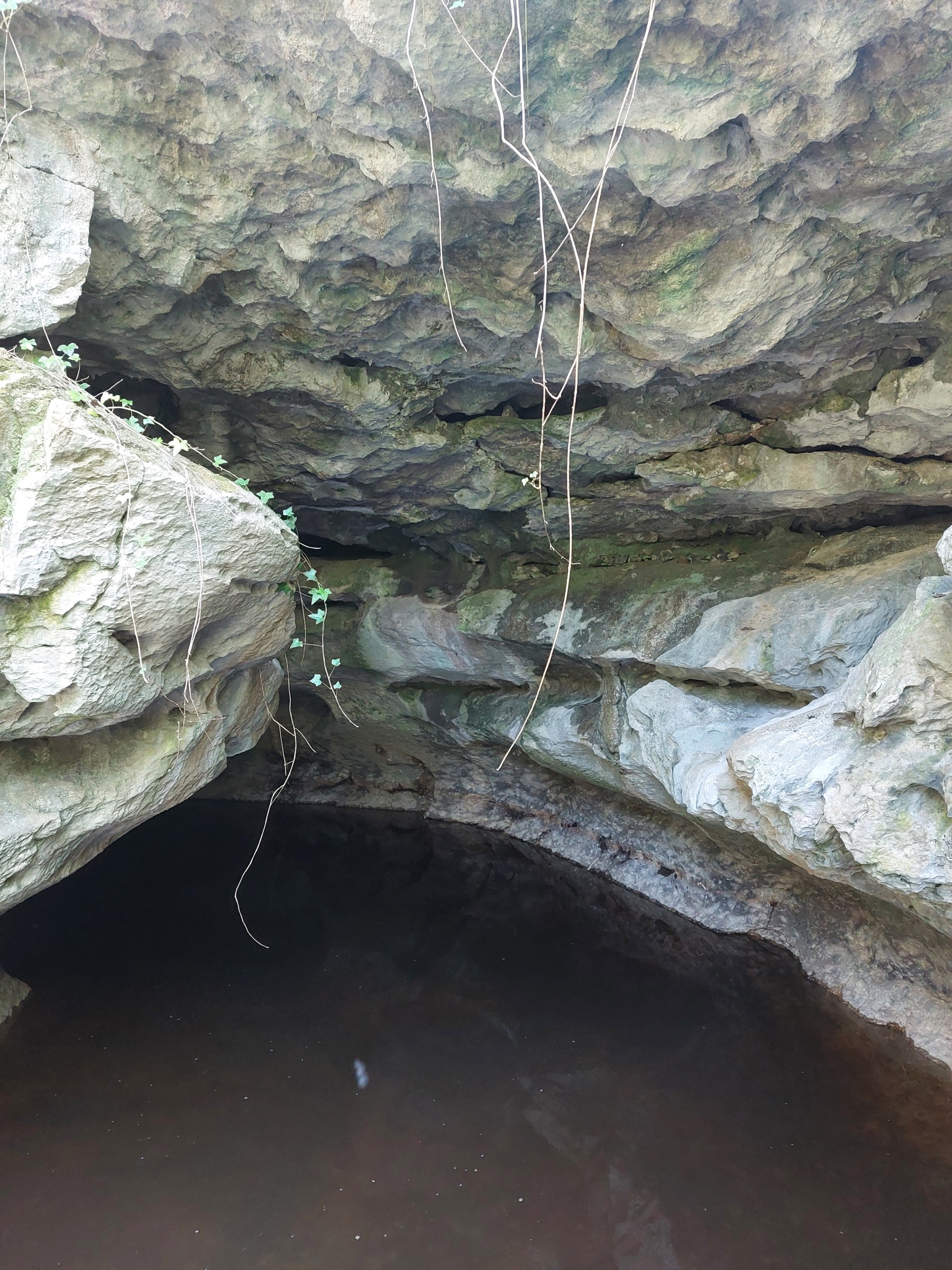
This site is an excellent example of the numerous limestone caves within the Geopark. Whitefathers Caves are a series of three caves that are a magnificent display of how an active stream can form such an incredible cavity underground. The caves are incredibly beautiful, and although they reach no further than 400 metres, are well worth the visit. The third cave is the longest and contains the deepest water. Because these caves are home to active streams, the water acts as a kind of cleaner, leaving the formations free from dirt and grime which allows for a great view of the calcite formations when research is being carried out. These active streams begin at the lower slopes of Cuilcagh Mountain before they disappear underground. Lucky for us now, a section of the river that used to be underground has revealed itself over time, meaning it is now exposed and also reveals a short path. This would have been covered before, but now gives us a window into the magic of the cave.
Whitefathers Cave is also a protected area, as it is home to the Daubenton’s Bat, which dwells among the crevices and hunts along the surface of the river. It’s also home to many species of spider, freshwater shrimps and moths.
The site gets its name from what used to be a nearby monastery, named Whitefathers Noviciary.